The United Nations has called on the Ghanaian government to provide the Rent Control Department with adequate funding, personnel, and logistical resources. This urgent recommendation comes as rising housing costs increasingly push more Ghanaians into informal settlements across the country.
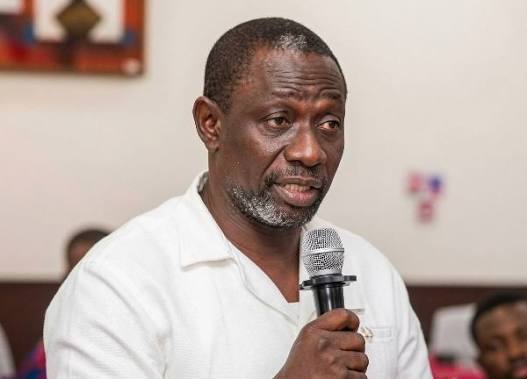
Koldo Casla, the UN Special Rapporteur on the Right to Adequate Housing, stated Ghana must strengthen its housing institutions. He emphasized improving market monitoring to protect tenants from arbitrary rent increases. His recommendations followed a 12-day official visit to Ghana, during which he examined housing conditions and affordability.
This situation highlights a growing disparity within Ghana's economic landscape. The scale of real estate development, particularly in Accra, sharply contrasts with the limited ability of average-income households to purchase or rent formal housing. This trend indicates a market producing homes as investment assets rather than affordable accommodation for ordinary citizens.
Mr. Casla observed flashy billboards promoting real estate investments at "stratospheric prices" far beyond the reach of the average Ghanaian. He noted that this affordability gap leaves many people with no choice but to live in informal settlements. These areas often lack access to water, sanitation, secure tenure, and other essential services.
The UN official reported that approximately 31% of Ghana's urban population lives in informal settlements. This figure means nearly one in every three urban residents lives outside the country’s formal housing system. A considerable number of Ghanaians also remain homeless, underscoring the severity of the housing crisis.
Mr. Casla urged the government to strengthen institutional mechanisms for monitoring rent and housing conditions. He also called for greater attention to the experiences of low-income households when designing public housing policies. This places renewed focus on the capacity of the Rent Control Department, which mediates disputes and enforces rental regulations.
Without sufficient staff, data systems, and enforcement resources, the Department’s ability to respond to arbitrary rent increases and other abuses remains limited. Ghana’s housing challenge is further complicated by the construction industry's economic importance. Mr. Casla estimated the sector employs hundreds of thousands of people and contributes between 7% and 15% of gross domestic product (GDP).
The policy challenge is not simply to slow construction, but to ensure development produces housing within the financial reach of a broader section of the population. Strengthening the Rent Control Department could improve protection for existing tenants. Addressing the wider affordability crisis will also require increased housing supply, accessible mortgage financing, serviced land, and stronger incentives for private developers to build for lower- and middle-income households.
The central issue raised by the UN assessment is whether Ghana’s expanding cities are producing accommodation for the people who live and work in them. Or are they primarily creating property assets for buyers who can afford increasingly elevated prices? This question demands immediate attention from policymakers to ensure equitable urban development.