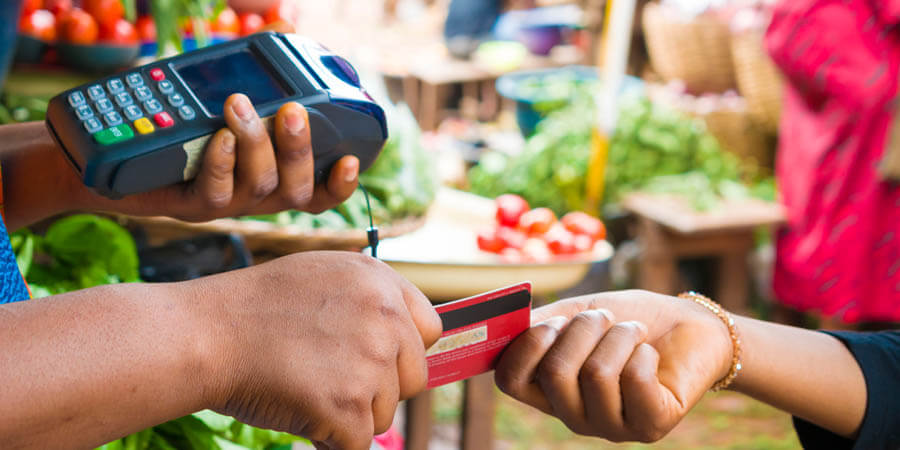
Ghana's mobile money transactions surged to GHS 492.9 billion by June 2026, marking a substantial increase from GHS 323.2 billion in June 2025. This rapid expansion in digital payments, however, has not been matched by adoption among the nation's businesses.
Only 37% of businesses in Ghana currently accept or use digital payments. This figure comes from the 2024 Integrated Business Establishment Survey, conducted by the Ghana Statistical Service, the Institute of Statistical, Social and Economic Research (ISSER), and ReFinD. The low adoption rate among enterprises prevents them from fully leveraging the benefits of the growing digital economy, such as improved cash flow and better access to financing.
This disparity highlights a critical challenge for Ghana's economic development. While consumers increasingly embrace digital financial services, many businesses, particularly small and medium-sized enterprises (SMEs), struggle to integrate these tools. This limits their ability to expand sales, manage finances effectively, and build the necessary financial records for securing loans. The Bank of Ghana reports 26 million active mobile money accounts and 546,000 active mobile money agents, indicating a robust consumer-facing digital infrastructure that businesses are not fully utilizing.
The 2024 Integrated Business Establishment Survey findings indicate that businesses using formal merchant accounts experience stronger revenue growth. They also show higher employment rates and greater formalization. These benefits extend beyond simple money collection, suggesting a broader positive impact on business operations and the overall economy. Payment providers face pressure to develop affordable, secure, and accessible solutions tailored for small businesses.
The implications of this digital payment gap are significant for Ghana's economic future. Without wider business adoption, the full potential of the mobile money boom remains untapped. Businesses that fail to adapt risk losing competitiveness as consumers increasingly prefer cashless transactions and online platforms. Decision-makers must focus on initiatives that encourage businesses to integrate digital payment solutions, addressing concerns like transaction costs, fraud risks, and limited knowledge. This will help businesses improve productivity, reach more customers, and compete effectively in an increasingly digital marketplace.
For many Ghanaian businesses, especially smaller ones, accepting digital payments is crucial for staying competitive. Consumers now frequently shop through social media, online platforms, and mobile channels. Businesses able to receive payments conveniently across these channels are better positioned to serve customers who prefer cashless transactions. They can also reach customers beyond their immediate physical locations. Mastercard's collaboration with DPO Group, for example, allows Ghanaian businesses to accept multiple digital payment methods through a single platform. This includes mobile money and e-wallets, offering fraud protection and training.
Beyond facilitating payments, digital transactions can address a long-standing challenge for Ghanaian SMEs: access to affordable financing. Small businesses often struggle to demonstrate their financial performance due to inconsistent record-keeping. This makes it difficult for lenders to assess their revenue and cash flow. Digital payments generate transaction records that help businesses reconcile sales and monitor revenue. These reliable records can strengthen a business's ability to demonstrate performance, potentially improving access to working capital. This is vital for retailers, distributors, and wholesalers needing regular financing for inventory and operations. Mastercard's partnership with Boost, launched in 2024, combines digital payment wallets with embedded supply-chain financing. This model links payment services with other financial tools to support businesses throughout their operating cycle. For Ghanaian SMEs, connecting payments, inventory management, and financing offers a significant opportunity to maintain cash flow and respond to changing demand. However, the value of these records depends on lenders' assessment systems and the quality of the data.