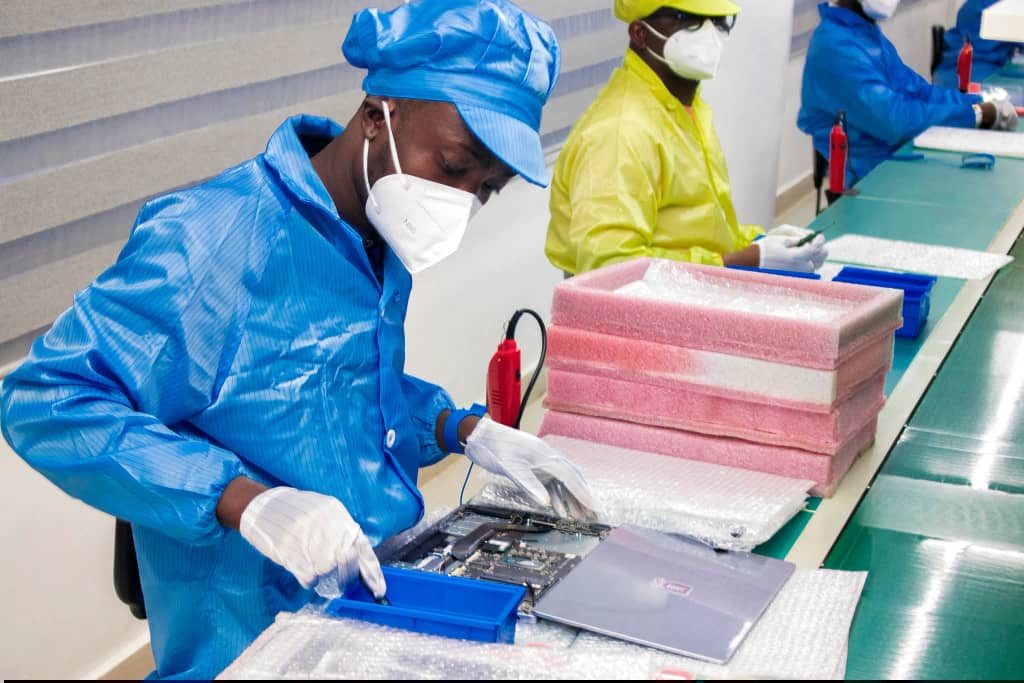
The University of Professional Studies, Accra (UPSA), has launched a new laptop assembly plant, aiming to produce 30% of its components locally within three years. This strategic move, announced on Wednesday, October 14, 2026, seeks to expand Ghanaian involvement in the electronics value chain.
The facility has a stated capacity to assemble 1,000 laptops per week. This initiative will also provide UPSA students with crucial practical training in technology assembly and related technical processes. The goal is to foster a skilled workforce for Ghana's growing technology sector.
This development aligns with Ghana's broader economic strategy to industrialise and reduce dependence on imported goods. By encouraging local component production, the project can stimulate investment and create new opportunities for Ghanaian businesses. It supports the government's push for local content development across various sectors, aiming to retain more value within the national economy. This effort could also improve access to more affordable computing devices for Ghanaians, bridging the digital divide.
Vice-Chancellor Professor John Kwaku Mensah Mawutor stated the university's intention to commercialise the initiative. He emphasised the progressive increase in using locally produced components. "This is a dream that will go beyond our campus," Professor Mawutor said, highlighting the broader economic aspirations. Mr. Peter Annor, Director of Information and Communication Technology at the Bank of Ghana, underscored Ghana's position in the global technology economy. He questioned whether Ghana would remain primarily a consumer or build capacity to develop and produce its own technological solutions.
The plant's technical partner, Mind Dey Talent and IT Co. Ltd, will play a crucial role in developing a sustainable supply chain. This will involve partnerships with local manufacturers, suppliers, and small businesses capable of meeting production standards. The initiative's success could lead to job creation in manufacturing, design, repair, and maintenance. It could also attract further foreign direct investment into Ghana's nascent electronics industry. Decision-makers will closely watch the progress towards the 30% local component target, as it will indicate the viability of similar projects and Ghana's potential for technological self-reliance. This project could significantly impact Ghana's trade balance by reducing electronics imports over time.
The establishment of this plant provides a tangible pathway for Ghanaian businesses to enter the electronics manufacturing space. It offers opportunities to expand operations and contribute directly to local technology device production. This move is critical for building a robust domestic industrial base. It also supports the government's 'Ghana Beyond Aid' agenda by fostering local innovation and production. The project demonstrates a commitment to practical education and economic development, linking academic institutions with industrial growth. The potential for technology transfer and skills development is substantial, benefiting both students and the wider economy.