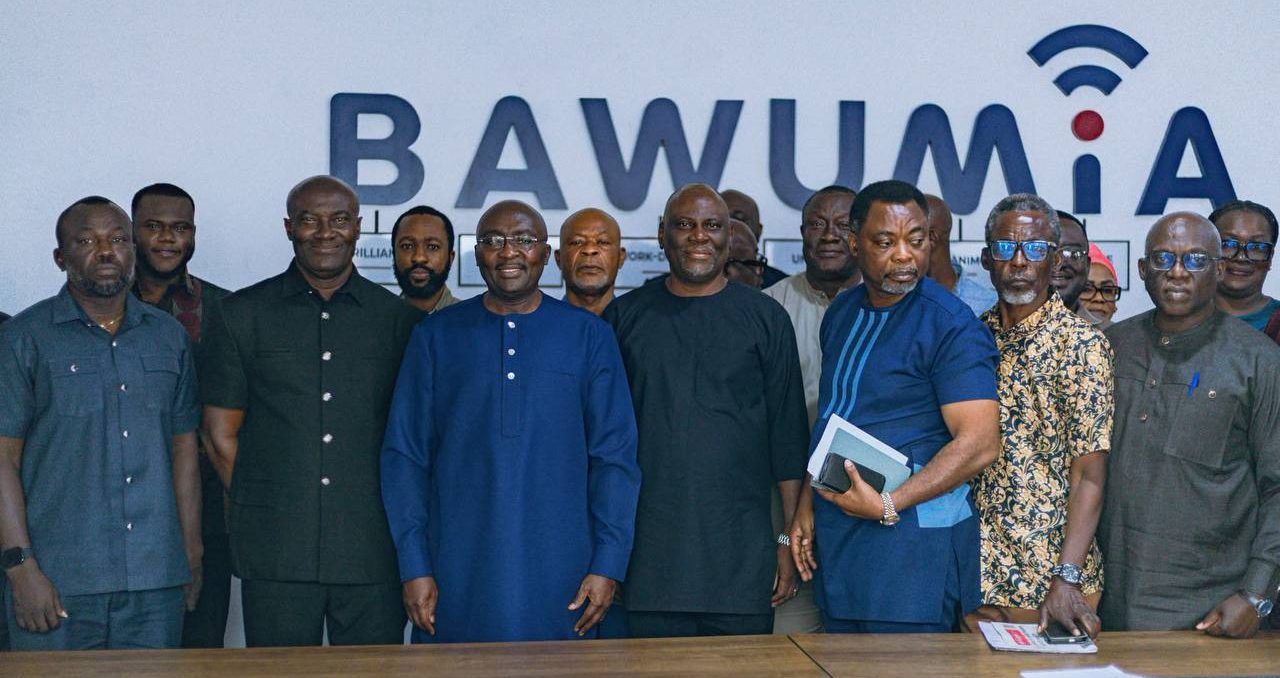
Dr. Mahamudu Bawumia, the New Patriotic Party (NPP) flagbearer, has engaged with executives of the Ghana Union of Traders’ Associations (GUTA) regarding escalating business costs. This crucial meeting addressed several challenges confronting traders across the country.
Traders specifically raised concerns about high import duties, demurrage charges, and rising shop rents. They also highlighted issues with goodwill payments, which significantly impact their operational expenses. These factors collectively strain the profitability and sustainability of trading businesses in Ghana.
This engagement occurs amidst broader economic discussions about Ghana’s fiscal policies and business environment. High import duties contribute to increased consumer prices, affecting household budgets. Demurrage charges, fees paid for delays in cargo clearance, add to the cost of goods. These issues reflect ongoing pressures on the trading sector, a vital part of Ghana's economy.
Dr. Bawumia noted that GUTA members also expressed concerns over a reported increase in Value Added Tax (VAT) to 20% for informal sector operators. They also cited limited access to loans from the Export-Import Bank of Ghana (EXIM Bank). Furthermore, the involvement of foreigners in Ghana’s retail trade remains a point of contention for local traders.
According to Dr. Bawumia, the meeting provided a valuable platform for GUTA representatives to articulate their difficulties. They also proposed potential solutions to these pressing issues. He characterized the discussions as productive, indicating a willingness from both sides to find common ground.
The association presented specific proposals aimed at addressing some of the challenges affecting the trading sector. These proposals likely include recommendations for tax reforms, improved access to credit, and stricter enforcement of local content regulations in retail. Such measures could provide much-needed relief to traders.
The discussions extended to exploring strategies for encouraging traders to shift from importing finished goods to producing more goods locally. This initiative aims to strengthen domestic industries and reduce Ghana’s reliance on foreign imports. Promoting local production could create jobs and boost economic self-sufficiency.
Dr. Bawumia emphasized that the discussions considered incentives to support traders interested in investing in domestic production. Such incentives could include tax breaks, subsidized loans, or technical assistance. These measures are crucial for fostering a manufacturing base within Ghana.
Strengthening local industries through domestic production can significantly reduce the country's import bill. This shift can also enhance Ghana's trade balance and stabilize the Ghana cedi. A robust local manufacturing sector provides more stable employment opportunities for Ghanaians.
The outcome of these discussions will be closely watched by the business community and policymakers. Any policy changes stemming from these engagements could impact import costs, retail prices, and the overall economic landscape. Traders will be looking for concrete actions to alleviate their financial burdens.
Future policy decisions regarding VAT, import duties, and access to credit will directly affect the profitability of businesses. These decisions will also influence consumer spending patterns. The government’s response to GUTA’s concerns will be a key indicator of its commitment to supporting local enterprises.
The engagement highlights the ongoing dialogue between political leaders and key economic stakeholders. Addressing the concerns of traders is essential for maintaining economic stability and fostering a conducive business environment. This collaboration is vital for Ghana’s economic growth trajectory.