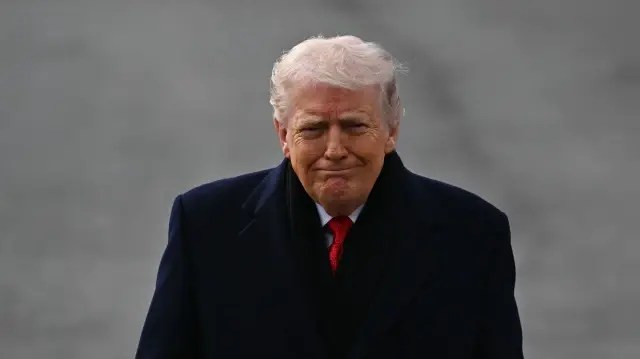
Ghana's pursuit of BRICS partner status could expose the nation to potential 100% tariffs from the United States. This significant economic threat emerges from statements made by former US President Donald Trump regarding countries aligning with the BRICS bloc.
This development places Ghana's trade relationships, particularly with China, under intense scrutiny. Discussions around tariff concessions and new currency payment arrangements are gaining prominence. Stanbic Bank is already piloting a system allowing Ghanaian importers to pay Chinese suppliers in cedi, with suppliers receiving yuan. GCB Bank is preparing to launch a similar service, indicating a shift in financial transactions.
The situation highlights Ghana's delicate position within broader global economic and political shifts. Ghana's foreign policy aims to remain non-aligned, guided by national interests, as stated by Foreign Affairs Minister Samuel Okudzeto Ablakwa. However, the potential for US tariffs, especially a 100% levy, could severely impact Ghanaian exports to the US market. This could disrupt supply chains and reduce foreign exchange earnings, affecting the national economy.
Foreign Affairs Minister Samuel Okudzeto Ablakwa confirmed that Cabinet has approved Ghana's move towards BRICS partner status. He emphasized that Ghana's foreign policy prioritizes national interests and maintains a non-aligned stance. The debate around trade concessions with China further complicates the economic landscape. In October 2025, Finance Ministry Technical Advisor Fredrick Amissah stated that Ghana offered zero tariffs on fewer than 150 Chinese products. This contrasts with China's ambassador's assertion that Beijing's zero-tariff offer does not require reciprocal concessions from Ghana, leaving the scope of Ghana's offer unclear.
The implications for Ghana's economy are substantial. A 100% tariff on goods exported to the US would make Ghanaian products uncompetitive, potentially leading to job losses and reduced economic growth. Conversely, increased trade with China, facilitated by new payment systems like cedi-to-yuan, could offer new opportunities for businesses. However, removing tariffs on finished Chinese goods could harm local manufacturers who compete with cheaper imports. Decision-makers must carefully balance these competing interests to protect domestic industries while fostering international trade. Businesses should monitor these geopolitical developments closely, as they could significantly alter market access and operational costs.
The potential for US tariffs could force a re-evaluation of Ghana's trade diversification strategies. Ghana's economic resilience will depend on its ability to navigate these complex international relations. The government's commitment to a non-aligned foreign policy will be tested by the economic pressures arising from these global power dynamics. The ongoing discussions about trade concessions with China, particularly the specifics of the fewer than 150 products with zero tariffs, will also shape the future of local manufacturing. The Bank of Ghana and commercial banks will play a crucial role in managing the currency implications of expanded cedi-to-yuan transactions.