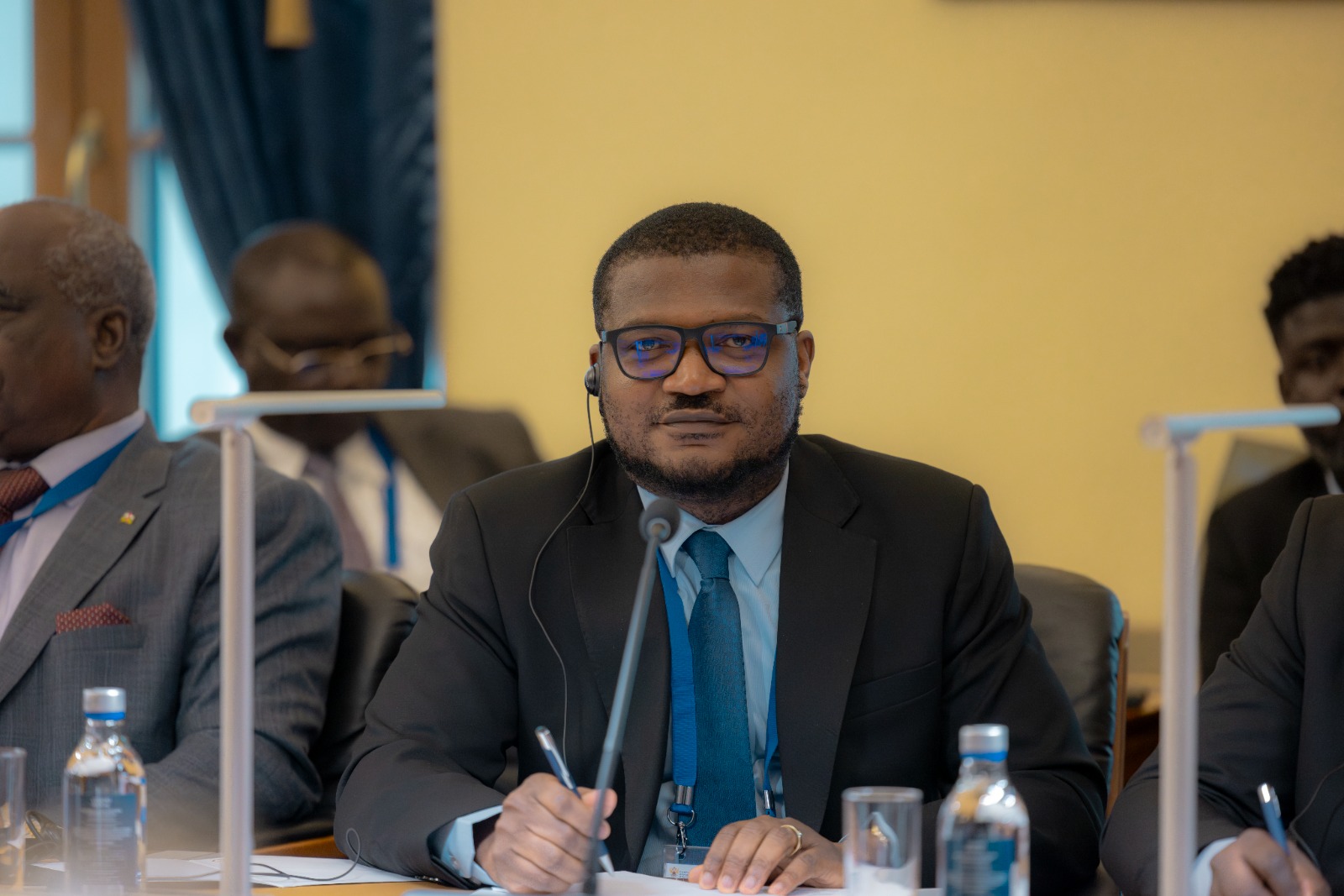
Ghana will only prioritise partnerships that add value to its raw materials locally, according to Isaac Tandoh, Chief Executive Officer of the Minerals Commission. He delivered this firm message at the Second Russian-African Raw Materials Dialogue in Saint Petersburg, Russia, representing the Ghanaian government.
This new directive aims to increase the local processing of Ghana's natural resources. Currently, only about 2% of Africa's natural resources undergo local processing, despite eight of the top twenty global gold-producing countries being African. Ghana, as the continent's leading gold producer, seeks to change this imbalance through its new policy.
This strategic shift aligns with Ghana's broader economic agenda to maximise benefits from its rich mineral endowments. The country has historically exported raw materials, missing out on the higher revenue and job creation associated with local processing. This policy supports industrialisation efforts and aims to strengthen the domestic economy by retaining more of the value chain within Ghana.
Mr. Tandoh emphasised that Ghana is open to knowledge sharing and advanced technological transfer from nations like Russia. However, he stressed that such cooperation must be genuine, structured, and locally embedded. It must also leave Ghanaian engineers and institutions with measurable new capabilities, moving beyond a one-way export of resources and expertise. He stated, "All future cooperations must move beyond simple raw material extraction toward a partnership of sovereign equals."
The implications of this policy are significant for international mining companies and foreign investors. They will need to adapt their business models to include substantial local processing and technology transfer components. This could lead to increased investment in processing infrastructure within Ghana and the development of local technical expertise. The government's focus on critical minerals like lithium, iron ore, and bauxite, supported by state-backed frameworks such as GIISDEC and GIADEC, further underscores this commitment.
Ghana's modernised regulatory environment, including digital tools like the Minerals Commission’s digital Mining Cadastre Administration System (MCAS) and geofencing technology, supports this new approach. These systems ensure mineral rights acquisitions and operations adhere strictly to stipulated guidelines, benefiting all stakeholders. Mr. Tandoh called for a formal, institutionalised Ghana-Russia Mining Cooperation Framework built on reciprocity. He noted that Russia’s import needs for critical minerals match Ghana’s resource offerings, urging mutually beneficial and transformational partnerships.
This policy reflects a growing trend among resource-rich African nations to assert greater control over their natural wealth. It aims to ensure that Ghana's mineral resources contribute more directly to its economic development and job creation. The government expects this approach to attract partners willing to invest in long-term, value-adding ventures rather than just extraction. This move could reshape Ghana's mining sector and its international partnerships in the coming years.