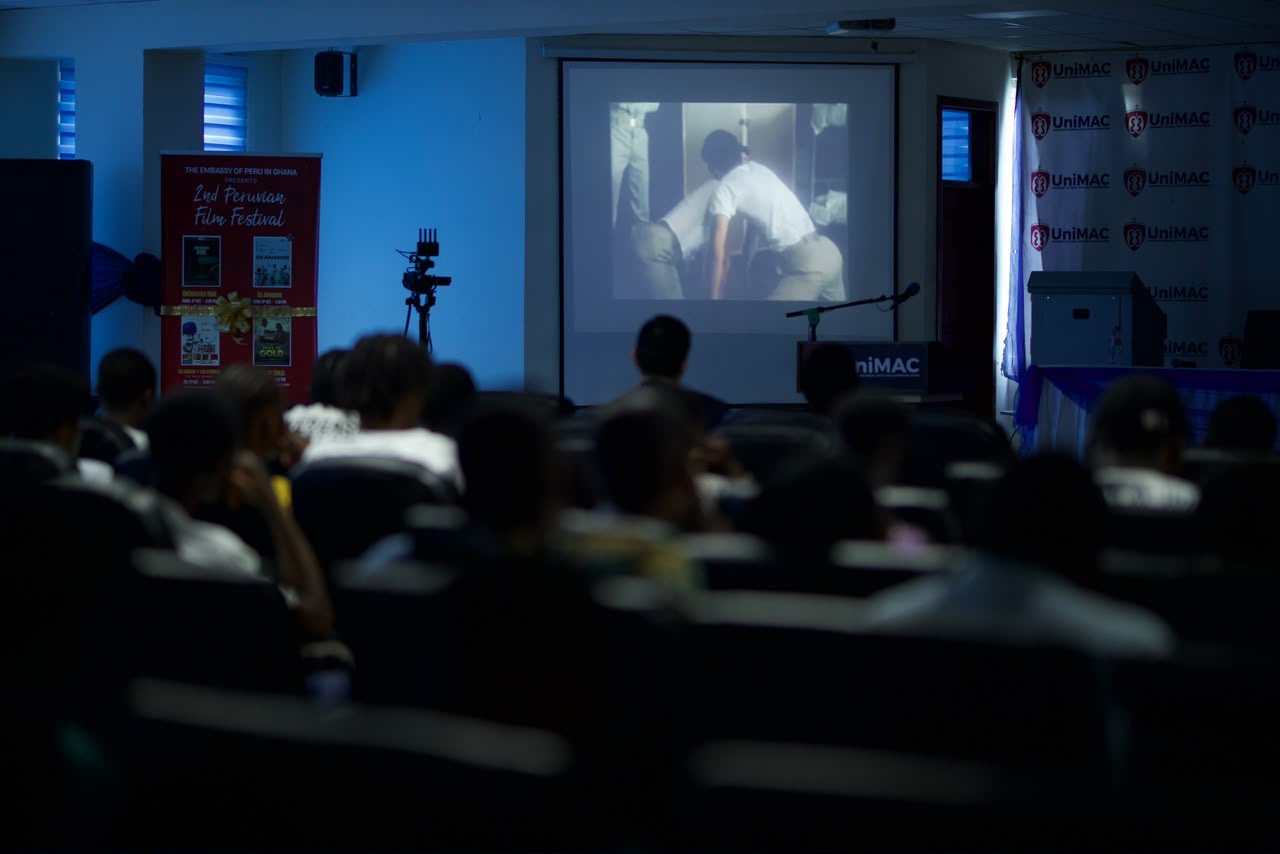
Ghana's film industry confronts a major market problem: filmmakers struggle to find reliable ways to reach audiences and recover their investments. This commercial challenge extends beyond production costs, making it difficult to measure demand and secure financial returns. The issue gained prominence during the Second Peruvian Film Festival held at the University of Media, Arts and Communication (UniMAC) in Accra on Thursday, October 8, 2026.
The core problem stems from limited distribution opportunities. Filmmakers lack dependable routes to market, creating uncertainty over potential earnings. This makes it harder to attract private investors who require clear evidence of commercial returns. The industry's long-term sustainability is at risk, despite its potential to create jobs, generate revenue, and promote Ghanaian culture internationally.
This situation fits into Ghana's broader economic narrative of developing creative industries for job creation and economic diversification. The government has recognized the sector's potential, allocating GHS 20 million to the Film Development Fund in the 2026 Budget. However, only GHS 5 million of this amount had been released by June 2026, as reported by MyJoyOnline. This highlights a gap between policy intentions and actual financial support for the industry.
Kafui Danku-Pitcher, Acting Executive Secretary of the National Film Authority (NFA), acknowledged these challenges. She emphasized the need for a coordinated system to move films beyond limited exhibition opportunities. Her remarks underscore the NFA's mandate to promote distribution, exhibition, and marketing of Ghanaian films. A functioning market is crucial for building a financially sustainable industry.
A critical concern raised during the festival's panel discussion was the shortage of reliable industry data. Filmmaker Yaw Firempong Boakye stressed that data is vital for attracting private-sector investment. Investors need to know audience numbers, viewing platforms, and revenue generation to make informed decisions. Without consistent records of cinema attendance, digital viewership, and financial performance, producers struggle to prove their projects' commercial viability.
The consequences of these challenges are far-reaching. They limit employment opportunities for actors, writers, editors, cinematographers, and other creative professionals. Filmmaker Epiphania Sarah Ama Ablorde highlighted the importance of marketability, stating, “I’m very particular how marketable the film is.” This shows the need to balance artistic quality with audience demand and commercial considerations.
Infrastructure also presents a significant hurdle. Limited access to cinemas, especially outside major urban centers, restricts audience opportunities. James Gardiner, Deputy Executive Secretary of the NFA, outlined plans to expand screening opportunities. This approach aims to widen the market, provided it is supported by sustainable operating models and a consistent supply of quality films.
Digital platforms offer another avenue for reaching audiences, but online presence alone does not guarantee commercial success. Producers require effective distribution agreements, audience development strategies, and reliable information on viewership and earnings. This data helps determine if digital releases can generate sustainable returns for the industry.
The Peruvian Deputy Ambassador to Ghana, Mr. Jonathan Quevedo, suggested international film festivals could create professional connections. These connections might lead to joint productions and partnerships, helping Ghanaian filmmakers reach wider audiences. However, translating these connections into commercial gains demands sustained engagement and viable arrangements for financing, production, and distribution. The industry must overcome these systemic issues to unlock its full economic potential.