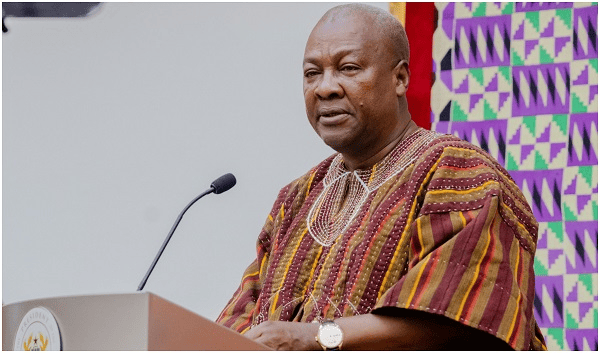
Ghana has secured land and developed essential infrastructure for a dedicated pharmaceutical industrial park, President John Dramani Mahama announced. This strategic move aims to attract global investors and position Ghana as a major pharmaceutical manufacturing hub across Africa. The government has already provided roads, electricity, and water to support the facility.
The President confirmed that major healthcare investors, including US-based Arriva and Egypt's FAKO, are showing interest. Arriva is expected to visit Ghana in November to assess the proposed pharmaceutical hub. This development follows President Mahama's meeting with Arriva representatives during a recent visit to New York.
This initiative fits into Ghana's broader economic strategy to reduce reliance on external suppliers for critical medical products. The push for domestic manufacturing follows lessons learned from global health crises, which highlighted the risks of depending heavily on foreign sources. This aligns with the government's Accra Reset framework, which seeks to strengthen Africa's health sovereignty by expanding local production of vaccines and essential medicines.
President Mahama made these disclosures at Jubilee House during a courtesy call by the Western North Regional House of Chiefs. Ɔgyeahɔhoɔ Nana Yaw Gyebi II, Paramount Chief of the Sefwi Anhwiaso Traditional Area and President of the National House of Chiefs, led the delegation. The President emphasized Ghana's ambition to produce pharmaceuticals not just for West Africa, but for the entire African continent.
The pharmaceutical hub is also a key component of the government's proposed GHS 135 billion New Economy Policy. This policy commits GHS 27 billion annually over five years to nine priority sectors identified for their significant job-creation potential. These sectors include pharmaceuticals, textiles, and large-scale commercial oil palm cultivation.
The government plans to finance these investments without recourse to foreign or commercial bank borrowing. This approach aims to ensure financial independence and sustainable growth for these critical sectors. The New Economy Policy also includes plans for 100,000 hectares of commercial oil palm cultivation, further diversifying Ghana's economic base and creating employment opportunities.
The establishment of this pharmaceutical park could significantly boost Ghana's industrial capacity and reduce its import bill for medicines. It also promises to create numerous jobs in manufacturing, research, and development. Investors will closely watch the progress of this hub and the government's ability to attract and retain key pharmaceutical companies. Success in this area could set a precedent for other industrial development initiatives across the nation.
Ghana's commitment to local manufacturing reflects a growing trend across Africa to build resilient supply chains. This strategic focus on pharmaceuticals is particularly important for public health security. The government's proactive steps in securing land and providing infrastructure demonstrate a clear intent to make this vision a reality. The upcoming visit by Arriva in November will be a crucial step in evaluating the hub's potential and solidifying investment commitments.