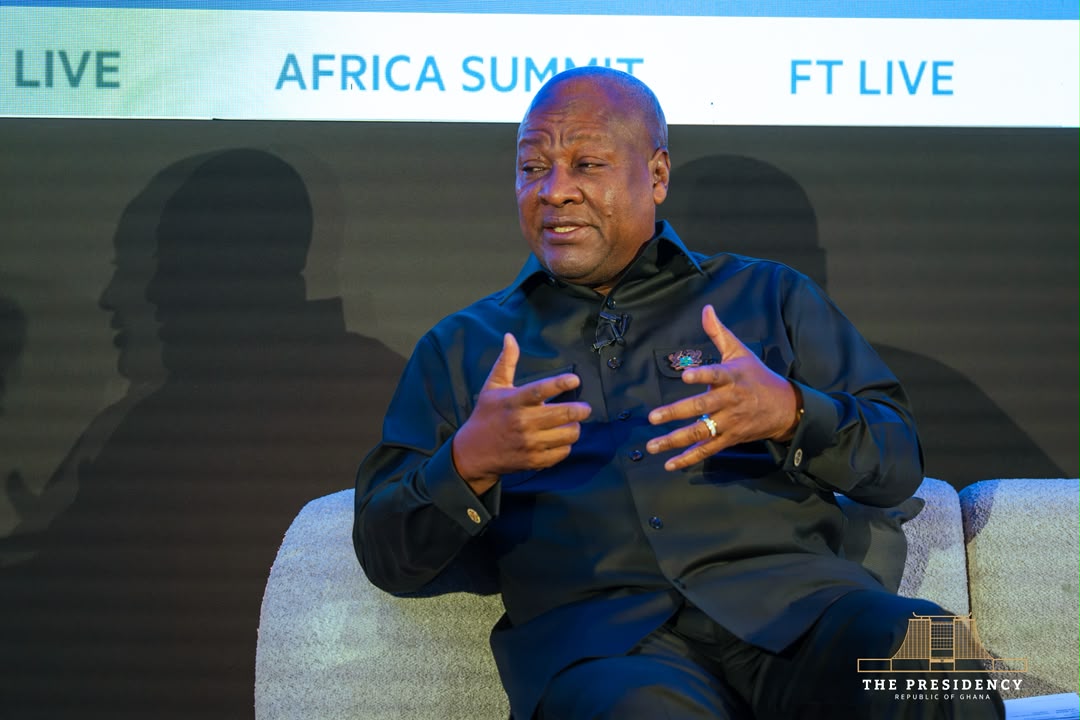
Ghana plans to refine 100 percent of its gold output within the country before shipping it abroad. President John Dramani Mahama announced the policy at the FT Africa Summit in the United Kingdom. The nation currently processes 70 percent of its gold inside its own borders before export, up from zero domestic processing in earlier decades.
The policy aims to retain industrial cash value inside Ghana and create formal manufacturing jobs for local workers. Exporting raw gold bullion deprives domestic workers of wages and denies local companies profitable business contracts. Processing precious metals locally allows domestic firms to capture higher profit margins across the global supply chain. The plan also includes building a domestic jewellery manufacturing industry to export finished goods to foreign buyers.
Ghana remains Africa's largest gold producer, yet raw commodity sales leave the country vulnerable to swings in global price cycles. The government established 2030 as the final target date to end all direct exports of unrefined mineral ores. The export ban will also apply to critical deposits of lithium, manganese, and bauxite through a phased timetable. Ghana also enforces a national cocoa policy that requires local factories to process at least 50 percent of all harvested cocoa beans.
President John Dramani Mahama said that African nations cannot remain suppliers of unprocessed commodities while buying back expensive foreign items. He explained that mining investments fail when natural resource wealth leaves neighbouring rural communities trapped in poverty. He invited private industrial firms to construct an alumina refinery to feed the existing national aluminium smelter. Local refineries will process raw Ghanaian bauxite directly into industrial alumina rather than relying on expensive overseas imports.
Factory operators and foreign mining companies must now adjust their capital spending plans before the 2030 regulatory deadline arrives. International mining houses will need to build processing partnerships with domestic refiners to retain their mineral extraction licences. Financial markets will monitor whether Ghana can supply steady electric power to keep these new industrial plants running continuously. Successful domestic processing will strengthen the national trade balance and protect foreign exchange reserves over the next decade.