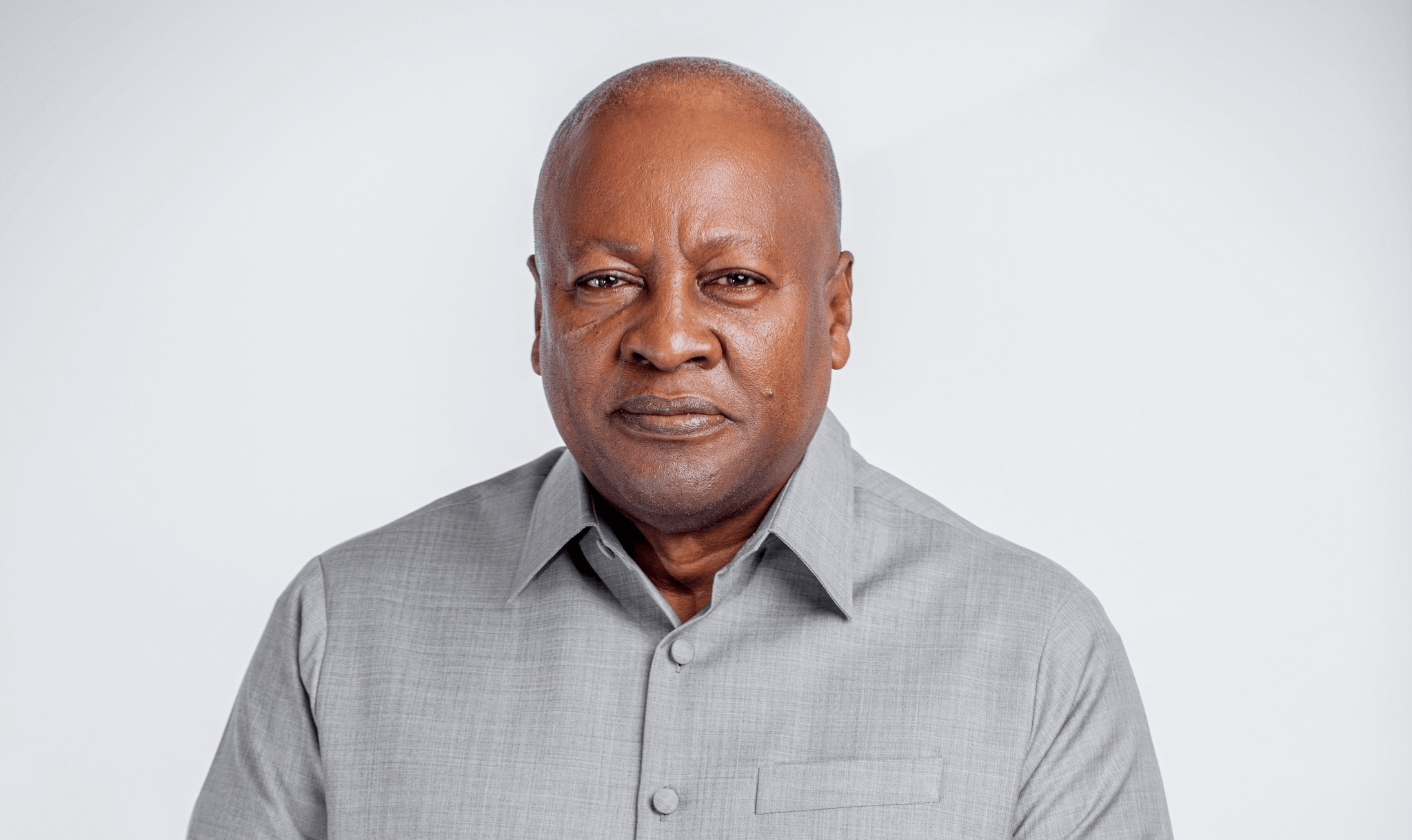
President John Dramani Mahama has urged local and international manufacturers to establish Ghana as Africa's primary industrial hub. This call came during the commissioning of Nestlé Ghana's expanded evaporated milk production line in Tema.
The President highlighted Ghana's stable macroeconomic environment, expanding infrastructure, and its position as host of the African Continental Free Trade Area (AfCFTA) secretariat as crucial advantages. He stated that these factors create an ideal setting for industrial expansion and investment attraction. The government aims to capitalize on these strengths to drive significant economic growth and job creation across the nation.
This push for industrialization fits into Ghana's broader economic strategy to diversify its economy beyond raw material exports and create more value-added products. The vision aligns with the founding principles of Dr. Kwame Nkrumah, aiming to restore Ghana's industrial prominence on the continent. Such initiatives are vital for sustainable development and reducing reliance on external markets for manufactured goods, fostering self-sufficiency.
President Mahama declared that the newly commissioned Nestlé plant, capable of producing nearly 30,000 tons annually, embodies the core principle of his administration's '24-Hour Economy' policy. He stated, "This is at the heart of the 24-hour economy initiative, a factory that never sleeps, working 24/7 to create decent jobs so that no machine stands idle while Ghanaians need work." This policy seeks to maximize productivity and employment by encouraging continuous operations.
The '24-Hour Economy' policy works hand-in-hand with the 'Big Push' infrastructure program. This program aims to deliver reliable power, modern motorways, and upgraded port logistics, all essential for supporting a robust industrial sector. Improved infrastructure reduces operational costs for businesses and enhances the efficiency of supply chains, making Ghana more competitive.
President Mahama also pointed to improving economic indicators as proof of Ghana's predictable investment climate. He noted that inflation has dropped to approximately 5.2% and interest rate spreads have narrowed to between 9% and 13%. These figures suggest a more stable and attractive financial environment for both local and foreign investors, reducing business risks.
Foreign Direct Investment (FDI) is projected to surge significantly, from 624 million USD in 2024 to 2.62 billion USD in 2025. This substantial increase indicates growing international confidence in Ghana's economic prospects and investment opportunities. Such inflows are critical for funding large-scale industrial projects and driving technological advancements.
With both Ghana and Nestlé preparing to celebrate their 70th anniversaries in 2027, President Mahama urged businesses in the Tema industrial enclave to expand multi-shift operations. He encouraged them to scale local production and boldly export products stamped "Made in Ghana" across the entire African continent. This strategic push aims to leverage the AfCFTA agreement, which offers a vast market of 1.3 billion people.
The government's focus on industrialization and the '24-Hour Economy' policy could lead to increased job creation, particularly in manufacturing. Businesses might see reduced operational costs due to improved infrastructure and a more stable financial environment. The projected rise in FDI suggests a positive outlook for economic growth and further industrial development in the coming years. Decision-makers will closely monitor inflation rates, interest rate trends, and actual FDI inflows to gauge the success of these initiatives.